Wear a soft abdominal patch
Proposed to capture abdominal sound activity during intended wear periods, using a soft patch format that still needs bench, comfort, and real-world signal validation.
 Join early access
AGNI BY ANTRAM · INVESTIGATIONAL WEARABLE CONCEPT
AGNI is a proposed soft abdominal patch designed to study gut-sound activity during intended wear periods and place it beside lightweight meal, symptom, sleep, stress, and routine context. The aim is to reduce guesswork, not remove every note or identify a trigger meal.
START WHERE YOU ARE
Symptoms are episodic, delayed, and easy to misattribute to the wrong meal.
AGNI is being built to help change that — not by watching for disease, but by pairing signal with context.
HOW IT IS INTENDED TO WORK
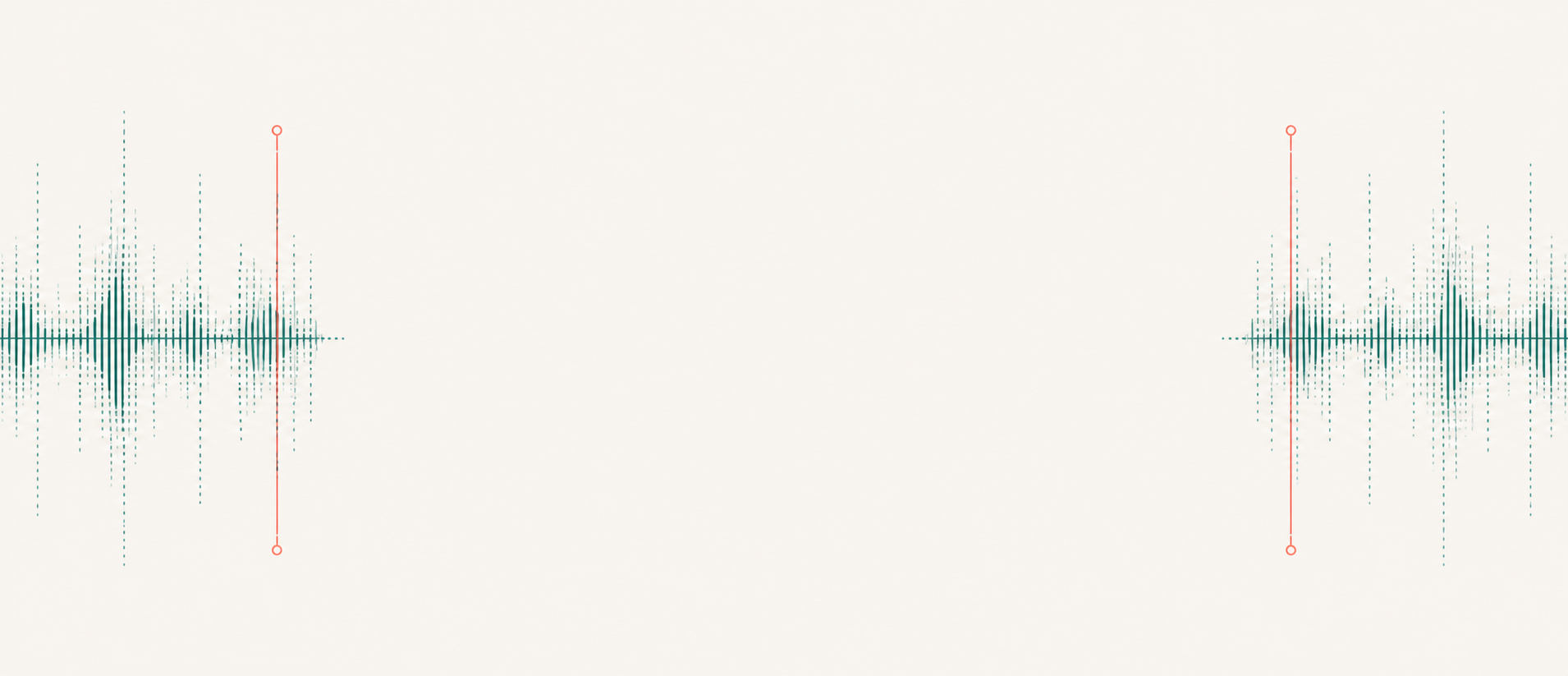
Proposed to capture abdominal sound activity during intended wear periods, using a soft patch format that still needs bench, comfort, and real-world signal validation.
Brief meal and symptom notes can turn signal data into a record you can revisit, with timestamps that help compare what happened around the same day.
See recurring timing and context while staying clear about uncertainty and the limits of general-wellness information.
THE PRODUCT HYPOTHESIS
AGNI is being designed around timing, context, and repeatable observations, not a one-number verdict.
Explore whether abdominal-sound activity can be captured repeatedly during ordinary life.
Keep meal timing, portion, hydration, movement, and daily routine beside a symptom record.
Use a short reflection to decide what pattern is worth tracking next without naming a cause.
Compare repeated observations over time and bring a more useful record into a clinician conversation when needed.
THREE WAYS TO LEARN
THE SCIENCE
Published work shows that abdominal sounds can be captured and analysed, while systematic reviews also highlight small samples, variable methods, and limited real-world validation. That is the boundary ANTRAM intends to test, not hide.
WHAT AGNI MUST PROVE
Any future sensor-derived metric or algorithm requires its own protocol, reference standard, predefined endpoint, error analysis, and external validation. Full roadmap
RESEARCH LIBRARY / CREDIT WHERE IT IS DUE
These independent studies shape ANTRAM's research questions. None validates AGNI itself, and no reported performance should be interpreted as AGNI performance.
Wright-McNaughton et al. validated the FAST diary for contemporaneous food and symptom recording in 51 people with IBS.
PubMed · PMID 31800544Huang et al. found promising results but only 4 eligible studies, with important concerns about validity and applicability.
PubMed · PMID 38594814Mansour et al. evaluated long-duration abdominal sound capture across laboratory, phantom, and small human tests.
PubMed · PMID 38544106Inderjeeth et al. mapped associations between bowel-sound features and GI conditions while highlighting heterogeneity.
PubMed · PMID 30115115Chumpitazi et al. examined how reliably adults and children classify stool form, including weaker agreement at category boundaries.
PubMed · PMID 26690980Dang et al. reviewed flexible wearable sensing approaches and the remaining path from signal capture to health application.
PubMed · PMID 40145538Our evidence rule: cite the source, name the limitation, and never borrow another device's result.
View all evidence & creditsQUESTIONS
AGNI is ANTRAM’s in-development gut-health and nutrition wearable concept. It is being designed to place investigational abdominal signals beside the meals, symptoms, and routines that shape everyday life.
Today, you can use the short check-ins to identify a starting pattern worth observing. The wearable, signal capture, and longitudinal review experience are still in development.
ANTRAM is investigating whether a soft abdominal wearable can repeatedly capture abdominal-sound activity during daily life. Signal quality, comfort, algorithms, and useful outputs all require validation.
The product hypothesis is to connect passive, investigational sensing with a light context record over time. A manual diary depends on memory and effort; a one-off test captures only one point in time. AGNI must still prove that this approach produces useful information.
No. A repeated association can suggest a better question to investigate, but it cannot prove a cause, intolerance, or medical condition.
Anyone with severe, sudden, or worsening symptoms — or with a condition like IBD that requires clinical monitoring — should not substitute a check-in or wearable for a doctor. See the gut health library for guidance on which conditions need a clinician, not an app.
Published work supports studying contemporaneous symptom diaries and abdominal acoustic sensing, but it does not validate AGNI. We publish the sources, their limitations, and the validation work still required in the research library.
EARLY ACCESS
Join for progress notes, future research opportunities, and early product access.